

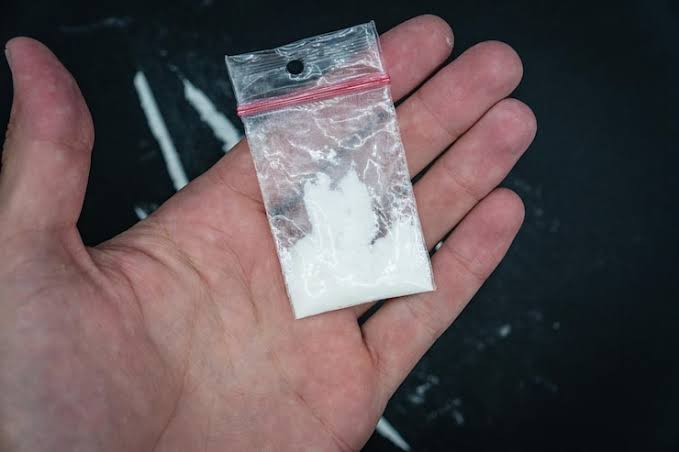
Cocaine-related terminology can appear in news reports, medical discussions, research papers, online conversations, and popular culture. Some terms describe the substance itself, while others refer to its chemical forms, historical context, or patterns of use. Because slang can vary significantly between countries and communities, understanding the terminology requires considering the context in which a word is used.
Step 1 Understand the Basic Term
The word cocaine generally refers to a stimulant substance derived from coca plants. In scientific and medical contexts, the term is used to describe the chemical compound and its pharmacological properties.
Cocaine may also be discussed under its chemical name or in connection with cocaine hydrochloride, a particular chemical form used in some regulated medical contexts. General buy cocaine online can help readers become familiar with the topic.
Step 2 Learn Common General References
Cocaine has acquired numerous informal names over time. Some commonly documented English-language slang terms include coke, blow, and snow.
These terms do not always have a fixed meaning. Their interpretation can depend on the speaker, location, time period, and surrounding conversation. A term appearing in a message or article should therefore not automatically be interpreted without context.
Step 3 Recognize Terms for Different Forms
Some terminology refers to different chemical forms of cocaine. Cocaine hydrochloride is a salt form that has been used in medical and scientific contexts.
The term crack cocaine refers to a different form of cocaine that is generally discussed separately from cocaine hydrochloride. The distinction is primarily chemical and relates to the form in which the substance exists.
Step 4 Understand Historical Terminology
Some cocaine-related expressions come from historical literature. During the nineteenth and early twentieth centuries, cocaine was discussed extensively in medical publications and popular writing.
Historical documents may therefore use terminology that is uncommon today. When researching older sources, it is useful to consider the date and cultural context rather than assuming that an older term has exactly the same meaning today.
Step 5 Consider Regional Differences
Cocaine slang is not universal. A term commonly recognized in one English-speaking country may be unfamiliar or have a different meaning elsewhere.
Regional vocabulary can also change over time. Online communities, music, films, news reports, and other forms of popular culture can introduce terminology that later becomes less common.
Step 6 Distinguish Slang From Medical Language
Medical professionals generally use precise terminology rather than informal slang. For example, healthcare and scientific sources may discuss cocaine use, cocaine exposure, cocaine intoxication, or cocaine use disorder.
Using the correct medical terminology is particularly important when researching health-related information because slang can be ambiguous.
Step 7 Interpret Context Carefully
A word associated with cocaine does not necessarily establish what a person is discussing or doing. Some expressions may appear in historical writing, fictional stories, educational material, music, or conversations about substance-use treatment.
Context can include the surrounding words, the date of the material, the country involved, and whether the source is medical, legal, historical, or informal.
Frequently Asked Questions
What is the most common slang term for cocaine?
Coke is one of the widely recognized informal terms for cocaine in English. Other expressions include blow and snow, although usage varies by region and context.
Is cocaine slang the same everywhere?
No. Slang differs between countries, communities, generations, and time periods. A term can also have multiple meanings.
What does cocaine hydrochloride mean?
Cocaine hydrochloride is a salt form of cocaine. The term is primarily used in chemical, medical, and scientific contexts.
What is crack cocaine?
Crack cocaine is a form of cocaine that differs chemically and physically from cocaine hydrochloride. It is generally discussed as a separate form of the substance.
Why does cocaine have so many slang terms?
Slang develops through social and cultural use of language. Terms can emerge within particular communities and later spread through popular culture or disappear over time.
Can slang identify cocaine with certainty?
Not always. Many slang expressions are ambiguous and can have meanings unrelated to drugs. Context is necessary for accurate interpretation.
Where can reliable cocaine terminology be found?
Medical dictionaries, scientific publications, government health resources, and established educational sources generally provide more precise terminology than informal conversations or social media.
Conclusion
Understanding cocaine terminology involves more than memorizing slang words. Terms can refer to the substance itself, particular chemical forms, historical references, medical concepts, or informal language. Meanings can also change according to geography and context.
When researching cocaine-related information, distinguishing slang from scientific and medical terminology provides a clearer understanding of the subject and reduces the possibility of misinterpreting informal language.
