

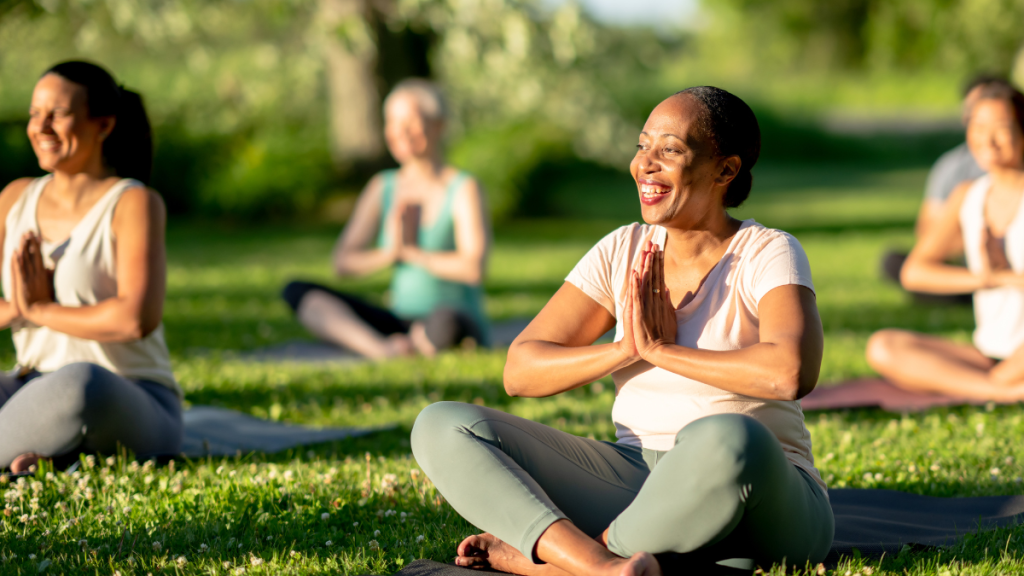
Finding a yoga retreat that balances relaxation, cultural immersion, and a strong sense of community can transform a wellness trip into a life-changing experience. Bali, particularly the town of Ubud, is known for its serene landscapes, spiritual energy, and thriving wellness scene, making it an ideal destination for a holistic retreat. The following step-by-step guide explains how to choose and make the most of a yoga retreat that combines relaxation, cultural experiences, and community connection.
Step 1: Define Your Intentions
Before selecting a retreat, clarify what you hope to achieve. Are you seeking deep relaxation, cultural learning, personal growth, or social connection? Understanding your priorities helps you select a retreat that aligns with your goals.
A retreat that emphasizes community and culture is ideal for those who want to meet like-minded individuals, engage in workshops or excursions, and explore Balinese traditions alongside their yoga practice.
Step 2: Research Retreat Options
Explore retreats that highlight relaxation, cultural activities, and community engagement. Look for detailed schedules, descriptions of yoga classes, and cultural workshops such as cooking, traditional craft making, or herbal medicine preparation.
Reading reviews and testimonials from past participants can provide insight into the quality of instruction, the atmosphere, and how well the retreat fosters community.
Step 3: Evaluate the Yoga and Meditation Programs
The core of any yoga retreat is the yoga and meditation practice. Check if the retreat offers beginner-friendly sessions, gentle yoga, and guided meditation that promotes relaxation and mindfulness.
Daily yoga sessions should be balanced with restorative practices to allow participants to unwind physically and mentally, creating space for reflection and rejuvenation.
Step 4: Consider Cultural Immersion Activities
The best retreats integrate Balinese culture into the experience. Workshops on making traditional offerings, learning local culinary skills, participating in village tours, or experiencing sound healing provide rich cultural engagement.
These activities foster a sense of connection to the local environment, enhancing mindfulness and creating meaningful experiences beyond the yoga mat.
Step 5: Assess Community Engagement Opportunities
Community-focused retreats offer shared meals, group workshops, and social activities that encourage connection among participants. Solo travelers, in particular, benefit from these opportunities, which make it easier to meet people and feel comfortable.
A supportive and inclusive environment enhances the overall retreat experience, ensuring participants feel part of a caring and like-minded community. Yoga retreat helps you elevate your yoga practice to a deeper level.
Step 6: Review Accommodation and Facilities
Accommodation plays a key role in creating a relaxing atmosphere. Many retreats provide shared or private rooms in serene locations surrounded by rice terraces or lush gardens.
Check for facilities such as yoga studios, meditation spaces, and communal areas. Natural surroundings and thoughtfully designed spaces contribute to a sense of calm and tranquility, reinforcing the retreat’s focus on relaxation.
Step 7: Examine Meal Options
Nutritious, plant-based meals are often included in retreats focused on holistic wellness. Meals should support the yoga practice, providing energy and nourishment while highlighting local and seasonal ingredients.
Some retreats also include cooking classes, allowing participants to learn about Balinese cuisine and dietary practices, further enhancing the cultural aspect of the experience.
Step 8: Balance Structured Schedule with Free Time
The best retreats provide a well-balanced schedule that combines structured activities with personal time. Mornings may include yoga and meditation, followed by cultural workshops, communal meals, and optional excursions.
Free periods allow participants to rest, reflect, journal, or explore the surroundings independently. This balance ensures that the retreat supports both social connection and individual reflection.
Step 9: Prepare for Travel and Participation
Proper preparation ensures a smooth and enjoyable retreat experience. Consider travel logistics, including transportation, visa requirements, and packing essentials such as yoga clothing, water bottles, and personal items.
Setting intentions, practicing mindfulness, and approaching the retreat with an open mind will help maximize the benefits of the program.
Step 10: Engage Fully in the Retreat
Active participation enhances the retreat experience. Attend yoga and meditation sessions, join cultural workshops, participate in community activities, and make time for personal reflection.
Engaging fully ensures that you benefit from relaxation, cultural enrichment, and community connection, making the retreat a truly transformative experience.
Step 11: Maintain the Benefits Beyond the Retreat
After completing the retreat, incorporate yoga, meditation, and mindfulness practices into daily life. Maintain connections with fellow participants if desired, and continue exploring wellness routines, cultural interests, and community engagement.
The benefits of a well-designed retreat extend beyond the week spent in Bali, fostering long-term physical, mental, and emotional well-being.
Conclusion
A yoga retreat that prioritizes relaxation, culture, and community offers a holistic and enriching experience for travelers of all levels. By carefully choosing a retreat that aligns with your intentions, engages participants in cultural activities, provides a supportive community, and emphasizes wellness, you can create a transformative journey in Bali.
Following these steps—from defining your intentions and researching retreat options to fully engaging in activities and maintaining practices afterward—ensures that your retreat experience nurtures the mind, body, and spirit while creating lasting memories and meaningful connections.
Bali’s serene environment, vibrant culture, and welcoming community make it the ideal setting for a retreat that rejuvenates, educates, and inspires. By prioritizing relaxation, cultural immersion, and community engagement, participants can enjoy a complete and fulfilling yoga retreat experience.
