

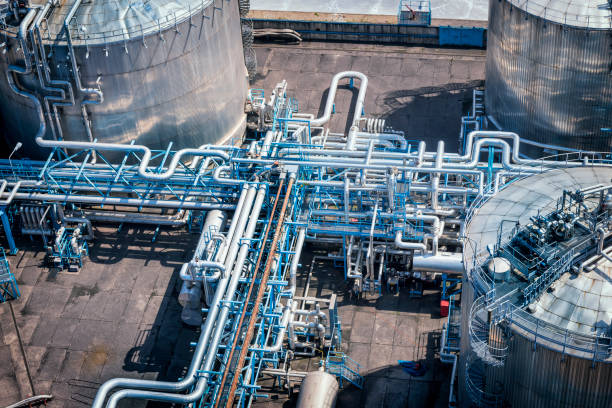
Above-ground storage tanks are among the most important assets in industrial facilities. They are used to store a wide variety of liquids, including water, petroleum products, chemicals, fuels, process fluids, edible oils, wastewater, and hazardous substances. Industries such as oil and gas, petrochemical processing, power generation, mining, water treatment, agriculture, and manufacturing all rely on properly designed storage tanks to maintain safe and efficient operations.
Because these tanks often contain large volumes of valuable or hazardous materials, their design must address numerous engineering challenges. Structural stability, foundation performance, seismic resistance, corrosion protection, pressure control, environmental protection, and regulatory compliance all play essential roles in ensuring long-term reliability.
Modern storage tank engineering combines structural analysis, mechanical design, geotechnical engineering, finite element analysis, three-dimensional modeling, and internationally recognized design standards such as API 650 and API 620. Through careful engineering and quality construction, storage tanks can operate safely for decades while minimizing maintenance requirements and operational risks.
This article discusses the key engineering considerations that contribute to the safe design of above-ground storage tanks.
What Is an Above-Ground Storage Tank?
An above-ground storage tank is a large container constructed above the ground surface for storing liquids or semi-liquid materials under atmospheric or low-pressure conditions.
Common tank configurations include:
- Fixed roof tanks
- Floating roof tanks
- Cone roof tanks
- Dome roof tanks
- Open-top tanks
- Vertical cylindrical tanks
- Horizontal storage tanks
Each design is selected according to the characteristics of the stored product and operational requirements.
Common Applications
Above-ground storage tanks are widely used in numerous industries.
Typical applications include:
- Crude oil storage
- Refined petroleum products
- Water storage
- Fire protection systems
- Chemical processing
- Food processing
- Wastewater treatment
- Mining operations
- Agricultural storage
- Power generation facilities
Proper engineering ensures reliable performance in each application.
Applicable Engineering Standards
Storage tanks are designed according to recognized engineering codes.
Frequently used standards include:
- API 650
- API 620
- ASME standards
- AWWA standards
- CSA standards
- International Building Code
- ASCE 7
Following these standards promotes safety, consistency, and regulatory compliance.
Material Selection
Selecting suitable construction materials is one of the first design decisions.
Common materials include:
- Carbon steel
- Stainless steel
- Alloy steel
- Aluminum
- Reinforced concrete
- Composite materials
Material selection depends on:
- Stored product
- Operating temperature
- Corrosion potential
- Pressure conditions
- Environmental exposure
Determining Tank Capacity
Engineers calculate the required storage capacity based on operational needs.
Factors include:
- Production rates
- Consumption rates
- Emergency reserve requirements
- Future expansion
- Product turnover
- Safety margins
Proper sizing improves operational efficiency.
Foundation Design
The foundation transfers tank loads safely into the ground.
Engineering evaluates:
- Soil bearing capacity
- Settlement
- Groundwater conditions
- Frost depth
- Differential movement
- Seismic effects
A stable foundation prevents excessive deformation and uneven settlement.
Shell Design
The tank shell must safely resist internal liquid pressure and external environmental loads.
Engineers determine:
- Shell thickness
- Plate arrangement
- Weld details
- Material strength
- Corrosion allowance
Shell design directly influences structural reliability.
Roof Design
The roof protects stored products from contamination and environmental exposure.
Roof options include:
- Cone roofs
- Dome roofs
- Floating roofs
- Geodesic roofs
Roof selection depends on product characteristics and operational requirements.
Bottom Plate Design
The tank bottom supports the stored liquid while preventing leakage into the surrounding environment.
Engineering considers:
- Plate thickness
- Corrosion allowance
- Foundation support
- Drainage
- Settlement tolerance
Proper bottom design contributes to long service life.
Wind Load Considerations
Strong winds generate lateral forces and uplift on storage tanks.
Engineers evaluate:
- Wind speed
- Tank height
- Roof geometry
- Anchorage requirements
- Overturning resistance
Wind-resistant designs improve structural stability.
Seismic Design
Storage tanks located in earthquake-prone regions require specialized engineering.
Seismic analysis evaluates:
- Ground acceleration
- Sloshing effects
- Shell stresses
- Foundation behavior
- Anchor bolt capacity
Proper seismic design reduces earthquake-related damage. Discover engineering knowledge through Above-Ground Storage Tank Design for API-compliant tanks.
Corrosion Protection
Corrosion is one of the leading causes of storage tank deterioration.
Protection methods include:
- Protective coatings
- Internal linings
- Cathodic protection
- Corrosion-resistant materials
- Regular inspections
Effective corrosion control extends service life.
Thermal Effects
Temperature variations influence tank behavior.
Engineering evaluates:
- Thermal expansion
- Contraction
- Insulation
- Temperature gradients
- Product heating systems
Proper design accommodates temperature-related movement.
Nozzle Design
Storage tanks contain numerous nozzles for piping and instrumentation.
Engineers evaluate:
- Reinforcement
- Local stresses
- Piping loads
- Weld details
- Equipment connections
Proper nozzle design prevents localized failures.
Overflow and Venting Systems
Pressure control systems protect storage tanks during operation.
Typical components include:
- Pressure relief vents
- Vacuum relief valves
- Emergency vents
- Overflow systems
- Flame arrestors
These systems maintain safe operating conditions.
Instrumentation
Modern tanks include monitoring equipment for operational control.
Common instruments include:
- Level transmitters
- Pressure indicators
- Temperature sensors
- Leak detection systems
- Flow meters
Instrumentation improves operational safety.
Fire Protection
Many storage facilities require dedicated fire protection systems.
These may include:
- Firewater systems
- Foam suppression
- Deluge systems
- Fire monitors
- Detection systems
Fire protection reduces operational risk.
Environmental Protection
Tank design must minimize environmental impact.
Engineering measures include:
- Secondary containment
- Spill control
- Leak detection
- Drainage systems
- Emission control
Environmental safeguards help protect surrounding areas.
Inspection and Maintenance
Long-term reliability depends on regular inspections.
Maintenance activities include:
- Visual inspections
- Thickness measurements
- Weld examinations
- Settlement monitoring
- Coating inspections
- Roof inspections
Routine maintenance identifies issues before they become serious.
Quality Assurance During Construction
Construction quality is essential for safe operation.
Quality control typically includes:
- Material certification
- Welding qualification
- Non-destructive examination
- Dimensional verification
- Hydrostatic testing
- Final engineering inspection
Thorough quality assurance ensures compliance with design specifications.
Key Engineering Considerations for Safe Above-Ground Storage Tank Design
Understand the Properties of the Stored Product
Every stored liquid has unique physical and chemical characteristics. Engineers evaluate density, viscosity, temperature, vapor pressure, corrosiveness, and flammability to determine the most appropriate tank configuration and construction materials.
Design According to Applicable Standards
Using recognized standards such as API 650 and API 620 provides a structured engineering framework for calculating shell thickness, roof design, bottom plates, structural stability, and inspection requirements.
Perform Accurate Structural Analysis
Storage tanks must safely withstand internal pressure, hydrostatic loads, wind forces, seismic activity, snow loads, and operational loads. Comprehensive structural calculations help ensure safe long-term performance.
Select Suitable Construction Materials
Material selection should balance strength, durability, corrosion resistance, fabrication requirements, operating temperature, and maintenance expectations to achieve reliable service over the design life of the tank.
Design Stable Foundations
Foundation engineering is essential for preventing differential settlement, excessive deformation, and structural instability. Soil investigations provide valuable information for foundation design and long-term performance.
Incorporate Corrosion Protection Measures
Protective coatings, internal linings, cathodic protection systems, and corrosion monitoring programs significantly reduce deterioration and extend tank service life.
Evaluate Seismic and Wind Loads
Storage tanks located in regions exposed to earthquakes or high winds require additional structural reinforcement, anchorage systems, and dynamic analysis to maintain stability during extreme events.
Design Reliable Nozzle Connections
Nozzles experience forces from connected piping, thermal expansion, and operational loads. Proper reinforcement and stress evaluation reduce the likelihood of cracking or leakage around nozzle connections.
Provide Effective Pressure and Venting Systems
Pressure relief devices, emergency vents, vacuum breakers, and overflow protection systems maintain safe internal pressures and prevent damage during filling, emptying, or temperature changes.
Install Modern Monitoring Systems
Instrumentation such as level sensors, pressure transmitters, temperature monitoring, and leak detection systems provides operators with continuous information that supports safe and efficient tank operation.
Plan for Inspection and Maintenance
Safe tank design includes adequate access for inspections, maintenance, cleaning, repairs, and future upgrades. Accessibility improves operational safety and reduces maintenance costs throughout the facility’s life.
Ensure High Construction Quality
Proper fabrication, qualified welding procedures, material verification, non-destructive testing, and hydrostatic testing are essential for ensuring that the completed storage tank performs according to engineering expectations.
Benefits of Professional Storage Tank Engineering
Well-designed above-ground storage tanks provide numerous advantages.
These include:
- Improved structural safety
- Reliable long-term operation
- Compliance with engineering codes
- Reduced maintenance costs
- Increased corrosion resistance
- Better environmental protection
- Enhanced fire safety
- Improved inspection accessibility
- Longer service life
- Lower lifecycle costs
- Greater operational efficiency
- Improved asset reliability
- Easier future modifications
- Reduced operational risk
- Better protection of stored products
Future Trends in Storage Tank Engineering
Advancements in engineering continue to improve storage tank performance.
Emerging technologies include:
- Digital twin technology
- Artificial intelligence-assisted design
- Smart corrosion monitoring
- Automated inspection drones
- Robotics for internal inspections
- Cloud-based asset management
- Advanced composite materials
- Predictive maintenance systems
- Real-time structural health monitoring
- Three-dimensional integrated engineering models
These innovations improve reliability while reducing maintenance costs and extending equipment life.
Conclusion
Safe above-ground storage tank design requires a comprehensive engineering approach that integrates structural analysis, foundation design, material selection, corrosion protection, environmental safeguards, and compliance with internationally recognized standards such as API 650 and API 620. Every aspect of the design, from shell thickness and roof configuration to nozzle reinforcement and pressure relief systems, contributes to the overall reliability and safety of the storage facility. By combining modern engineering technologies with rigorous quality control, regular inspections, and proactive maintenance planning, industrial organizations can maximize the service life of their storage tanks, protect valuable assets, reduce operational risks, and ensure safe, efficient performance throughout decades of operation.
